


Erjola Azizolli – Amfora Media
The police operations carried out to stop the trafficking of works of art in Albania are revealing serious deficiencies in the expertise and procedures of state institutions. Actions have involved members of the Roma community and second-hand dealers, with severe social and economic consequences for this marginalized group. The case has raised concerns about the fairness and transparency of the operations.
The main findings of the research:
- At the beginning of 2024, the police intervened in the Drizë neighborhood of Fier, a suburban community mainly inhabited by Roma. Shpëtim Kalemi, a local merchant, was arrested and his apartment was raided, where objects suspected to be works of art were seized.
- Authorities reported the seizure of 107 objects, including icons, paintings and other historical items, with an alleged value of 1.5 million euros.
- Residents and leaders of the Roma community stated that the seized goods are used, legally purchased in Greek markets and have nothing to do with art trafficking.
Lack of Expertise:
- Police and customs institutions do not have profiled experts to identify and assess the authenticity of works of art.
- Authorities rely on external institutions for expertise, a process that often takes time and does not guarantee accurate results.
Errors in Legal Procedures:
- In similar cases, such as the "Icons" operation in Rrogozhin, the police confiscated suspected objects, but they were later determined to be of no cultural or historical value.
- The Durres Prosecutor's Office, in another case, requested the suspension of the investigations as the seized items did not meet the criteria for trafficked works of art.
Consequences for the Local Community
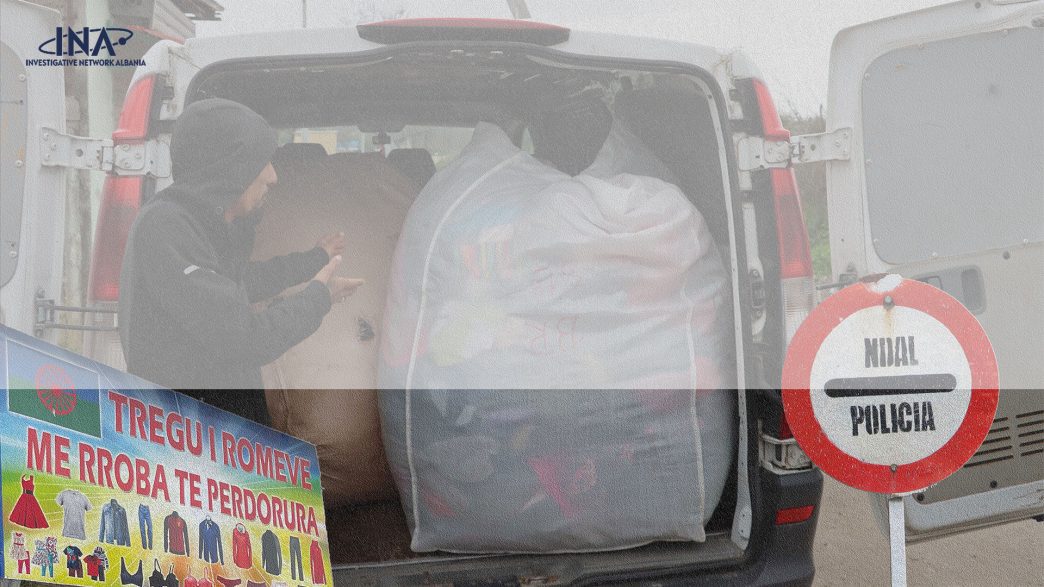
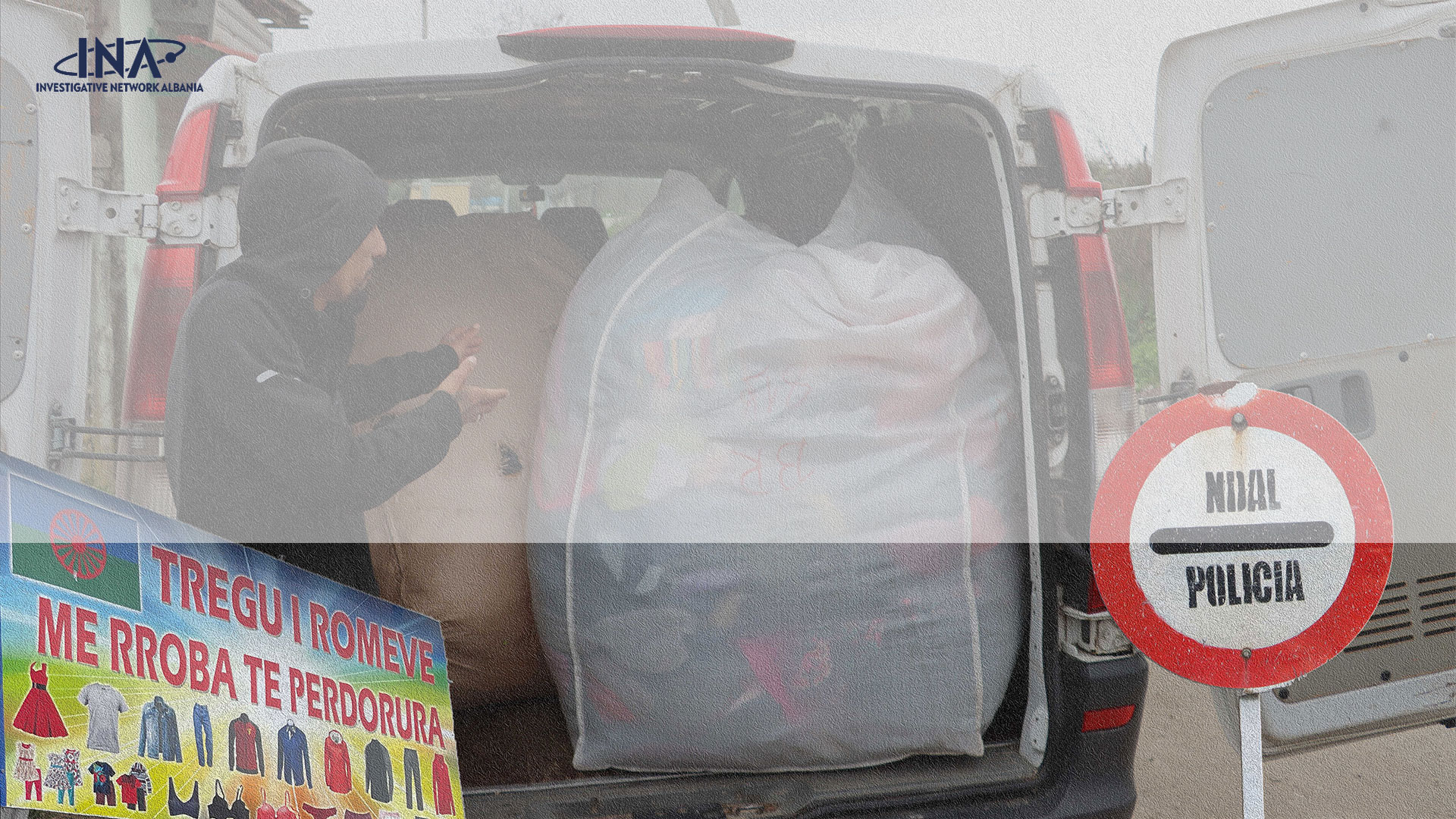
- The Roma community in Driza, consisting of about 750 families, relies mainly on the trade of used items for survival.
- Arrests and raids have negatively affected the livelihood of families, while residents have accused the authorities of unfair targeting and lack of concrete evidence.
Expert Comments
- Suzana Varvarica-Kuka, sculptor and art researcher, has emphasized that Albania faces a marked lack of experts for the evaluation of works of art. She suggests that the lack of certifications and an organized art market creates room for misinterpretation.
- Cultural institutions and customs do not have a database of stolen works, making it difficult to investigate and prosecute art trafficking cases.
Operations like those developed in Fier and Rrogozhin raise concerns about the efficiency of the fight against the trafficking of works of art and the transparency of Albanian institutions. Residents demand justice and an end to unfair treatment of their community. Meanwhile, experts suggest in-depth reforms to establish a system more capable of handling cultural heritage and art issues.
Read the full article on the research: https://ina.media/2024/12/05/operacione-flluske-tregtaret-e-sendeve-te-perdorura-ngaterrohen-per-trafikante-arti/