


Ida Ismail
Citizens are risking their lives every day waiting for the bus… Bus stations in Tirana have for years become hot spots of urban chaos. Where a safe journey for citizens should begin, insecurity often begins. Lack of signage, bus stops in the middle of the road, lanes blocked by bicycles or vehicles, and incorrectly located stations have turned urban transport into a daily source of danger.
In recent years, at least 10 incidents involving buses have been documented, including collisions with cars, veering off the road, hitting parked vehicles or even pedestrians. The recent incident on December 1st on “Rruga e Kavajës”, where a bus lost control and hit a girl on a bicycle, once again brought attention to a problem that is not being solved. Traffic is getting worse every day, while the police intervene occasionally, with fines and tow trucks.
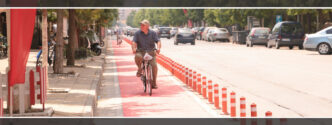
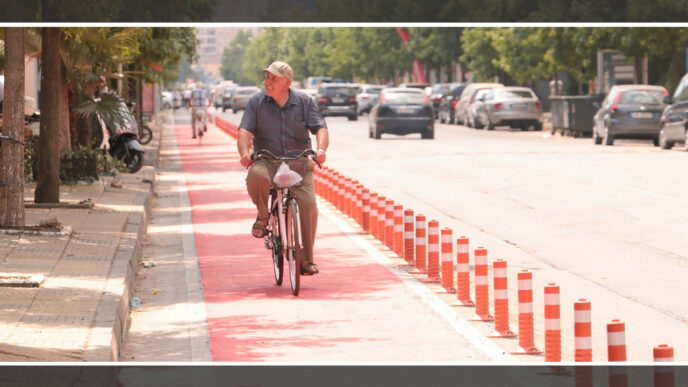
In many areas of the capital, stations have only a single metal sign, no information, no shelter, no bench, and are often located on narrow sidewalks or near bike lanes.
The head of the Urban Transport Association, Dashnor Memaj, states that there are several stations that pose a risk of accidents, as they are stations without proper visibility, without spaces and without dedicated lanes.
Memaj said: "In Tirana, there are several stations that pose a risk of accident sources. An intervention and study is needed by the Municipality of Tirana and the Albanian Road Authority and by various private specialists, to determine the stations to stop, to pick up passengers and without becoming an obstacle for other vehicles and without being a source of accident."
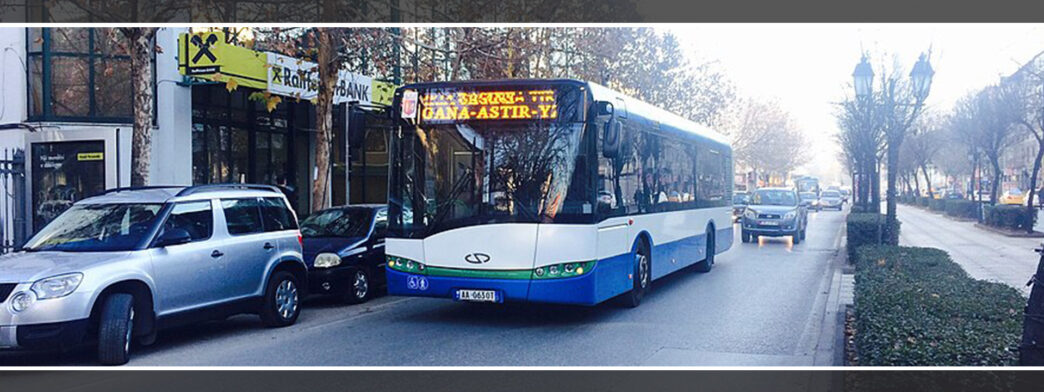
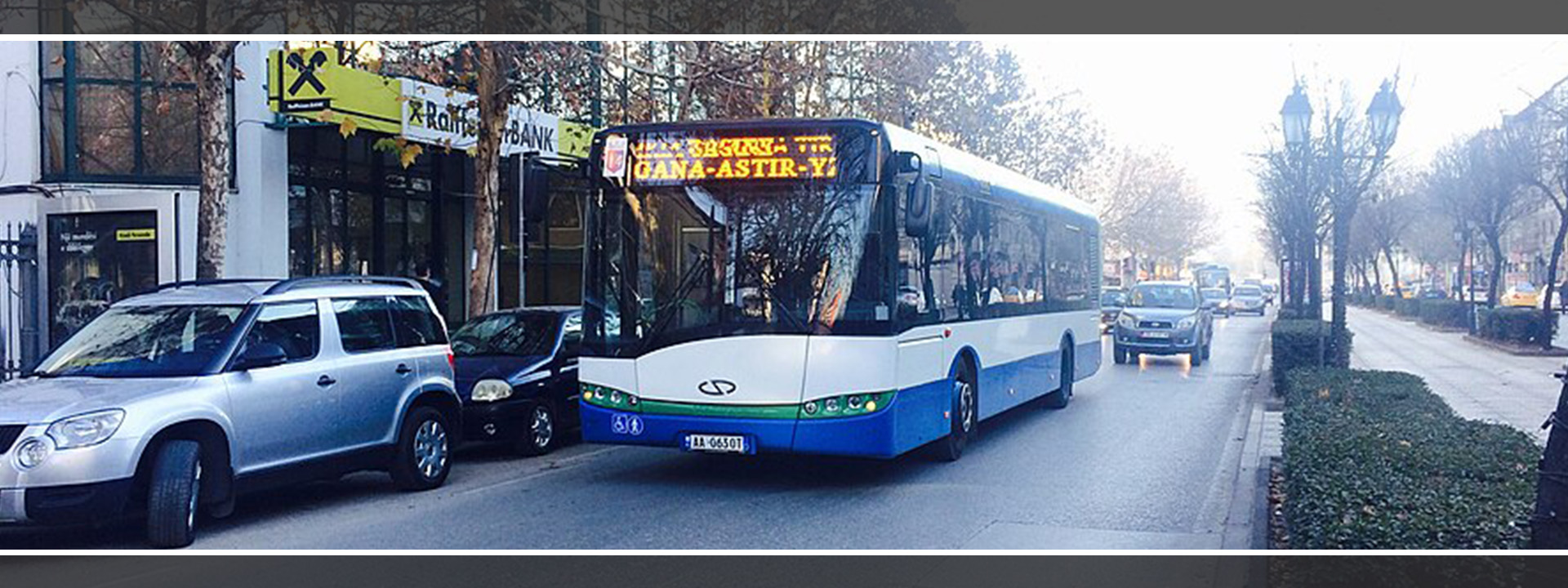
In most cases, buses stop in the middle of the road, creating a chain of problems, traffic, confusion, and danger for passengers getting off or on the bus.
In areas such as Dibra Street, Kavaja Street, Astiri, Liqeni i Thatë or even the city center, public transportation vehicles stop in the middle of the road, creating traffic problems due to the lack of dedicated lanes.
One of the most problematic examples is the bus stop near the Sauk roundabout. Until recently, buses stopped inside the roundabout, without signage and white lines, while now it has been moved a little further, but again without safety features.
Memaj states that stations near intersections impede traffic and increase the risk of accidents, while as an interest group he underlined that he has repeatedly requested proper stations that meet standards, not only in infrastructure with appropriate pockets, but also with electronic signs, information systems, appropriate shelters and benches, as well as access for people with disabilities, as very few stations meet these requirements.
"There are some stations that are close to intersections that constitute a high flow of cars, which hinder the circulation of vehicles. They must be at greater distances and with the appropriate pockets, to be considered a proper public transport station. Moreover, there cannot be a public transport station in a roundabout. As an interest group, we have repeatedly requested proper stations that meet the standards, not only in infrastructure with appropriate pockets, but also with electronic signs, information systems, shelters and appropriate benches. Therefore, an emergency intervention is needed from the institutions to determine these stations, where they do not constitute obstacles to circulation, do not constitute a source of accidents, meet the criteria for all categories, including people with disabilities, and have appropriate conditions. There are very few stations that meet this criterion", he said.
Urban transport in Tirana has become a symbol of an overloaded and disorganized system. Accidents, traffic and insecurity cannot be solved with partial measures or sporadic fines.
The city needs a complete reform: Functional stations, respected lanes, clear signage and sustainable planning. Only in this way can public transport become a safe, reliable and accessible service for all citizens./acqj.al