


Denada Jushi
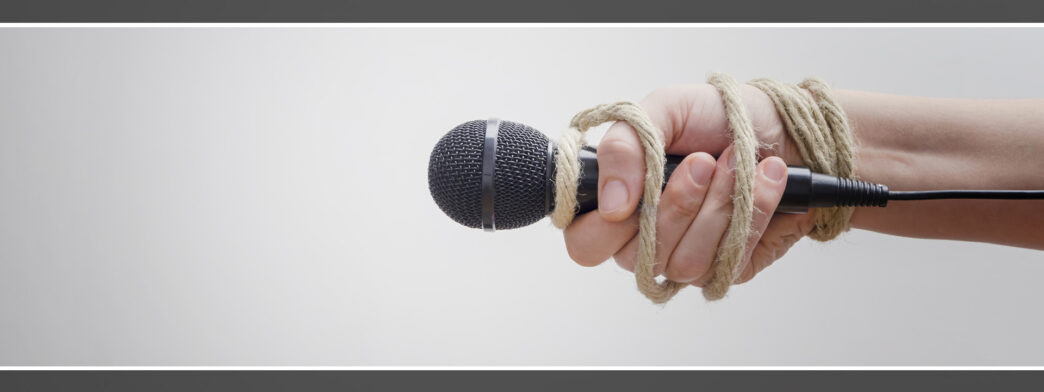
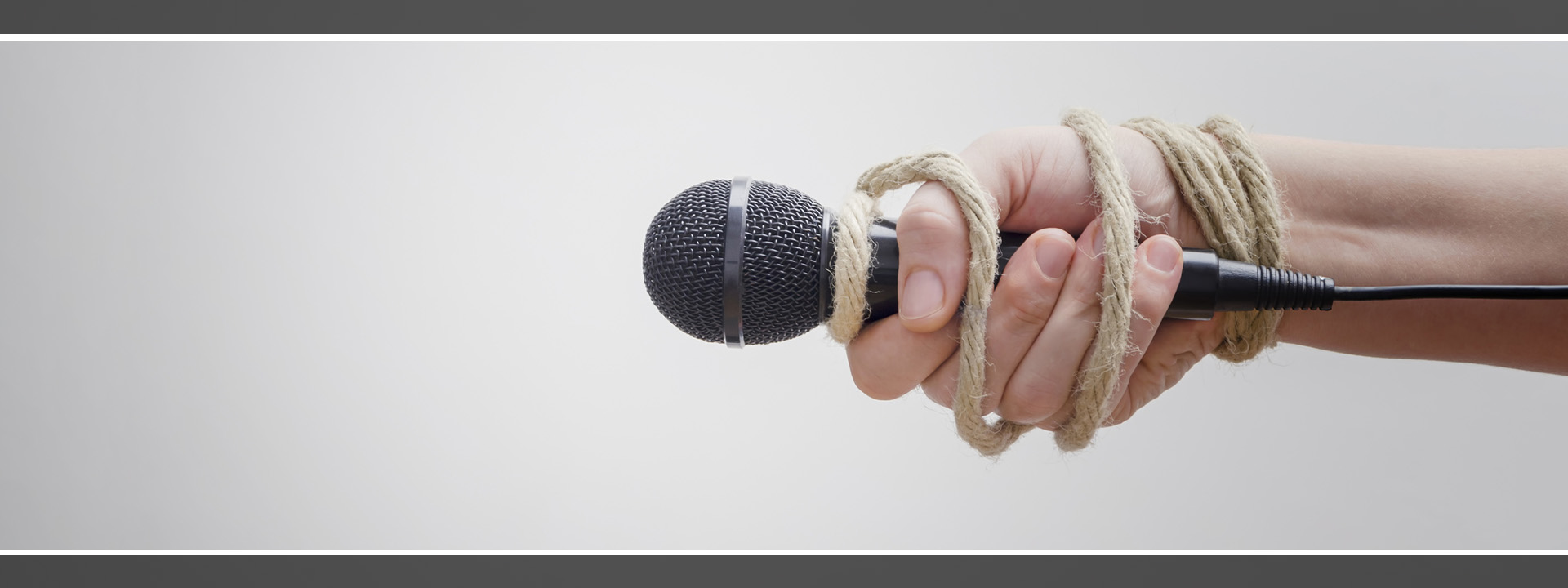
How important is freedom of the press? Albert Camus wrote that “A free press, of course, can be good or bad, but without freedom, the press will never be anything but bad.”
National Media Freedom Barometer in Albania for the period 2024-2025 shows yet another year that the data does not promise positivity, and that improvement is still far away. 202 journalists and media workers in Albania participated in this questionnaire, where the most difficult finding was that
70.8% of respondents rate the media as "somewhat free" or "not at all free".
A panorama that seems to be deteriorating.
58.4% of respondents say that the media freedom situation has worsened in the last two years.
36.1% are of the opinion that the situation is the same while only 11% are positive, saying that the situation has improved.
Ola Mitre, a journalist for years in Albanian media, but also part of Barometer, says that "The general perception of the community of journalists and media workers remains deeply negative. There is a decrease in physical attacks, but this is only a very small part of the picture."
What are some of the problems of the media landscape? Censorship and self-censorship, working conditions, informality, professional security, threats, and a number of other issues that journalists face in their daily lives.
One of the issues that has been on the rise has been censorship. The report shows that 38.1% of journalists have been prevented from publishing a story, up from 31% in the previous Barometer. This figure has increased by 7%.
The censored topics are related to high-profile scandals such as the incinerators, the "Veliaj" case, the arrests in the Municipality of Tirana, the scandal in the Oncology Hospital, the TIMS system, and other issues investigated by SPAK.
An even bigger problem that has already been observed is self-censorship, journalists who accept and understand the editorial line of the television or media and do not report on these events. 46.5% of them have avoided reporting for fear of superiors or losing their jobs.
Other problems, says Mitre, are working conditions that continue to be unstable. 12.9% of media employees work without a regular contract, an increase from 9.9% in 2022–2023.
17.3% do not receive their full salary in the bank, exposing them to economic uncertainty and editorial pressure, and 40% do not enjoy full legal holidays.
On the other hand, Mitre sees as positive the fact that journalists are speaking more openly about their experiences and the way censorship or other elements are imposed.
The survey also shows a decrease in physical threats, from 20.3% to 14.4%.
But verbal threats have increased from 31.2% to 37.1%.
New threats include the use of SLAPP lawsuits, internal threats and legal/economic pressure. A series of meetings are being held on this issue between European media organizations, Albanian journalists and prosecutors and judges, in order to better understand these forms of lawsuits and minimize interference in the work of journalists, with the aim of intimidating or interfering in the issues they are covering.
EU annual progress report there was criticism of Albania as for the deterioration of freedom from the overlap of political and business interests, to the lack of transparency of financial sources, high concentration of ownership, intimidation and unsafe working conditions for journalists.
Media freedom in Albania is currently just a concept that remains on paper! /acqj.al