


Ida Ismail
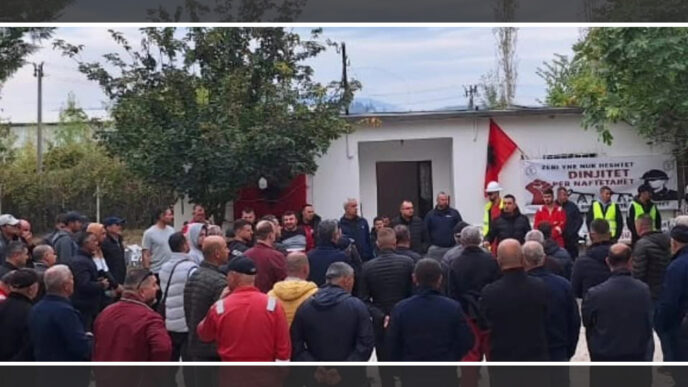
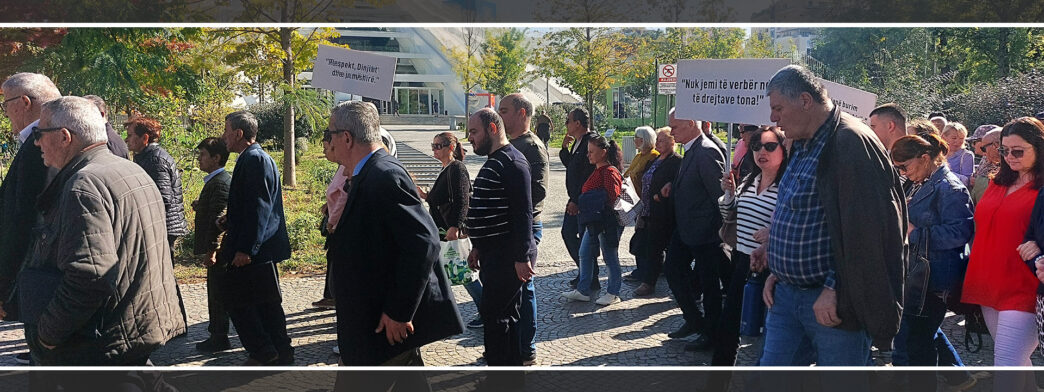
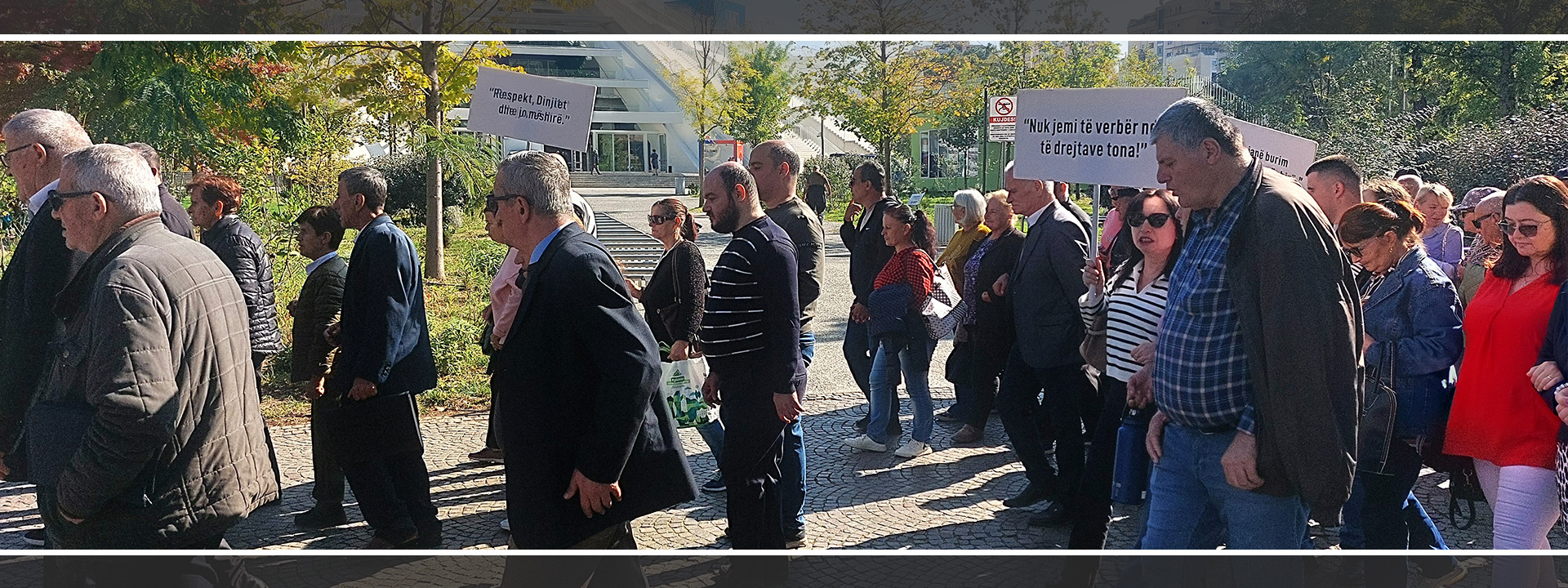
In the framework of October 15, International White Cane Day, the blind community in Albania held an awareness march, with a strong call for survival and dignity. Around 13.500 blind people face a lack of infrastructure, problems in education and employment every day.
Elson Sinani, a 22-year-old from Gramsh, is one of hundreds of blind young people who face countless obstacles every day. “Whenever I leave the house, I have to take someone with me, because there are no traffic lights or traffic lights on the road. I am studying in Elbasan, because in the future I want to work as a social worker for my city,” he says.
Elson's family has two blind children, accompanied by their parents, who live in difficult economic conditions. The caregivers' payment of only 14 thousand lek is far from the real costs that the families face. Moreover, they are not recognized by social contributions, leaving them without any security for the future. His request is that the payment be at least the minimum wage.
In addition to education, employment is also a challenge for blind people. The Vice President of the Albanian Association of the Blind states that not even 1% of blind people are employed as provided for by the law on the employment of people with special abilities and education.
Bukuria, a blind lady, says she has two university degrees and experience as a moderator on local radio, but has yet to find a paid job. "I work voluntarily on a radio station in Elbasan. I have contacted the employment offices several times, but I have not received any response," she says.
Another open wound is the lack of updating of payments for blind people. The last time these payments experienced a real increase was in 2009. Since then, they have only increased nominally, following inflation, but without reflecting the real cost of living.
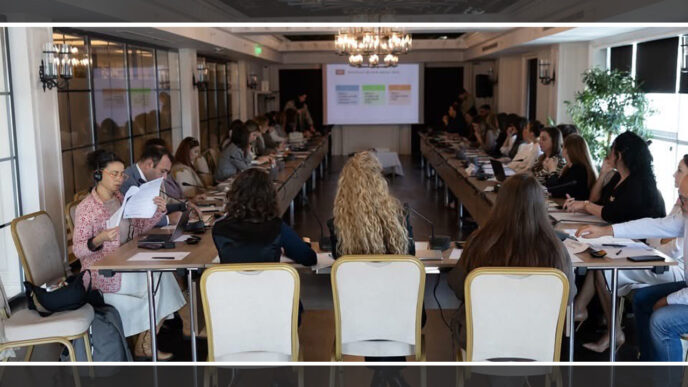
The President of the Albanian Association of the Blind, Jonit Ferhati, addressed the government with several demands: The restoration of specialized public Services for blind people in the fields of rehabilitation, adapted education, vocational training, assisted employment and assistive devices that ensure functional independence; The increase in payments due to blindness, in order to ensure equal conditions for participation and a dignified life. The last time there was a real increase in these payments was in 2009, while for more than a decade the participation rate has not reflected the increase in living costs; and the establishment of a mandatory economic assistance scheme for all unemployed blind people, so that no one is left without a minimum income due to lack of access to the labor market.
In conditions where the prices of food, rent, transportation, and basic Services have increased significantly, many blind people survive on minimal incomes.
"We demand that payments be reviewed and receive a real increase. We want to live with dignity, not be dependent," is the call of the blind.
For more than a decade, the blind community in Albania has faced a significant lack of institutional support. Since 2014, no specialized Services for rehabilitation, adapted education, orientation and mobility, assisted employment or technical support have been provided by the state, despite obligations set out in national laws and the UN Convention on the Rights of Persons with Disabilities.
In a country where politics often talks about integration and equality, 13.500 blind citizens seek only what the law and international conventions guarantee them: A life of dignity and independence. acqj.al